



Pneumatic Grease Pump Not Working? Check These 3 Things First
A pneumatic grease pump is widely used in industrial machinery maintenance, vehicle service facilities, manufacturing plants, agricultural equipment, and heavy-duty lubrication applications. By using compressed air to operate a pumping mechanism, it transfers grease from a container or reservoir into lubrication points through hoses, control valves, or dispensing guns.
When an air operated grease pump fails to operate correctly, the consequences can include interrupted maintenance, insufficient lubrication, excessive equipment wear, and unexpected production downtime. However, poor performance does not always mean the entire pump has failed. Incorrect air pressure, insufficient lubricant, blocked hoses, and air trapped around the suction inlet can produce similar symptoms.
Start With These 3 Checks
- Check the compressed air supply: Verify that the air compressor is running, the regulator is correctly adjusted, and the pump receives air within its specified operating pressure range.
- Check the grease supply: Confirm that the reservoir or grease drum contains sufficient compatible lubricant and that the suction inlet is properly immersed.
- Inspect external connections: Look for visible grease leakage, damaged hoses, loose fittings, closed valves, and signs of restricted grease delivery.
These checks can help narrow down the problem without immediately disassembling the equipment. Before servicing any component, isolate the air supply and follow the manufacturer's complete pressure relief procedure. High-pressure grease can penetrate skin and cause severe injury, even when an external leak appears small.
Common Pneumatic Grease Pump Problems and Causes
Pneumatic grease pump troubleshooting should begin with identifying the operating symptoms. A pump that does not start requires a different inspection from one that runs normally but delivers no lubricant. Understanding these differences helps maintenance personnel avoid unnecessary component replacement.
| Possible Cause | How to Identify the Problem | Recommended Action |
|---|---|---|
| Insufficient air pressure | Pump does not start or operates slowly. | Check the air regulator, compressor, and supply pressure. |
| Empty grease container | Pump cycles without delivering grease. | Refill or replace the grease container and prime the pump. |
| Air trapped in the suction system | Irregular operation, rapid cycling, or intermittent output. | Follow the manufacturer-approved air bleeding and priming procedure. |
| Blocked grease hose or outlet | Pump stalls or grease flow becomes restricted. | Isolate and depressurize the system before qualified inspection. |
| Worn internal seals | Pressure loss, grease leakage, or unstable pump performance. | Arrange inspection and replacement with compatible seal components. |
| Air motor malfunction | Pump fails to cycle despite an adequate air supply. | Have the pneumatic motor inspected by a qualified technician. |
| Incompatible grease viscosity | Slow output, difficult priming, or inconsistent delivery. | Confirm grease grade and temperature compatibility. |
| External grease leakage | Visible grease accumulation or unexpected continuous cycling. | Depressurize the system and inspect damaged components. |
Some operating symptoms may have several possible causes. For example, continuous pump cycling can indicate a leak, loss of prime, or damaged internal check valve. A pump stopping when its dispensing valve closes can be normal stall behavior on certain models. Therefore, troubleshooting should always be based on the actual pump design and operating manual rather than assumptions.
7-Step Pneumatic Grease Pump Troubleshooting Process
Following a consistent inspection process helps identify pneumatic grease pump problems while minimizing unnecessary downtime. The following seven steps cover common operating conditions, including failure to start, insufficient grease output, abnormal cycling, and pressure loss.
Step 1: Verify the Compressed Air Supply
The pneumatic grease pump depends on a reliable compressed air supply to drive its motor. If the compressor is not operating, the air shutoff valve is closed, or the regulator is incorrectly adjusted, the pump may not start. Insufficient air pressure can also reduce lubricant delivery and cause unstable operation.
Check the installed regulator gauge and compare the reading with the manufacturer's specifications. Inspect the filter-regulator assembly for contamination, accumulated moisture, or signs of restriction. Observe whether supply pressure drops excessively during operation. Never increase pressure beyond the rated maximum to compensate for a suspected blockage.
Step 2: Check the Grease Level and Suction Position
An empty or nearly empty grease container is one of the simplest explanations for a pump that runs but produces no lubricant. When the suction inlet is exposed to air, the pump may lose its prime and begin cycling without transferring grease effectively.
Inspect the reservoir level and confirm that the suction tube is positioned correctly. If the system includes a follower plate, verify that it is seated properly and can move downward with the grease level. Damaged or distorted grease drums may prevent correct follower plate movement, allowing air pockets to form near the pump inlet.
Step 3: Identify Air Locks and Priming Problems
Air trapped inside the pumping chamber or suction area can interrupt grease delivery. This condition may occur after changing grease containers, running the reservoir empty, or disturbing the suction assembly during maintenance.
Common symptoms include rapid cycling, intermittent grease output, and an inability to build normal operating pressure. Check whether the pump manufacturer's priming instructions address the symptom. If the system has a designated bleed valve, only trained personnel should use the specified controlled procedure after observing the required safety precautions. Never loosen a pressurized hose or fitting to release trapped air.
Step 4: Inspect Grease Hoses, Dispensing Guns, and Fittings
A blocked hose, damaged dispensing gun, or restricted grease fitting can prevent lubricant from reaching its destination. Grease contamination, incompatible lubricant, hardened material, or damaged components may contribute to restrictions.
Start with a visual inspection for flattened hoses, sharp bends, external damage, and grease leakage. Check whether the dispensing control is positioned correctly. If blockage is suspected, stop the pump and follow the pressure relief and isolation instructions before any disconnection or replacement. Do not use bare hands to locate leaks or attempt to clear a blocked line by applying excessive pressure.
Step 5: Evaluate Grease Compatibility and Operating Temperature
Grease consistency affects pumping performance. An air operated grease pump designed for certain lubricant grades may struggle when transferring grease outside its approved viscosity or consistency range. Low operating temperatures can also increase pumping resistance and reduce delivery performance.
Review the lubricant specification, including its National Lubricating Grease Institute (NLGI) consistency grade, and compare it with the pump manufacturer's supported lubricant range. Check the grease container for contamination, separation, or unusual thickening. Avoid mixing incompatible grease formulations, which may change lubricant properties and affect equipment performance.
Step 6: Observe Pump Cycling and Pressure Behavior
The way a pneumatic grease pump cycles can provide useful diagnostic information. If the motor runs rapidly while grease output remains low, the system may have insufficient grease at the suction inlet or an internal pumping problem. If the pump continues cycling after the dispensing valve closes, an external leak or worn internal component may be responsible.
Certain pumps are designed to stop cycling when outlet pressure reaches the required level. Therefore, a stationary pump is not necessarily defective. Compare observed behavior with the normal operating sequence described in the equipment manual. If pressure cannot be maintained or the motor cycles unexpectedly, arrange an inspection rather than repeatedly adjusting the air supply.
Step 7: Determine Whether Internal Pump Service Is Required
If external checks do not identify the cause, the problem may involve internal piston seals, inlet valves, check valves, pneumatic motor components, or worn pumping elements. These failures often require specialized tools, replacement parts, and detailed knowledge of the pump assembly.
Record the pump model, serial number, symptoms, observed air pressure, lubricant grade, and operating conditions before contacting a technician. Accurate information can shorten diagnostic time and help determine whether a seal kit, internal valve repair, motor service, or complete pump replacement is appropriate.
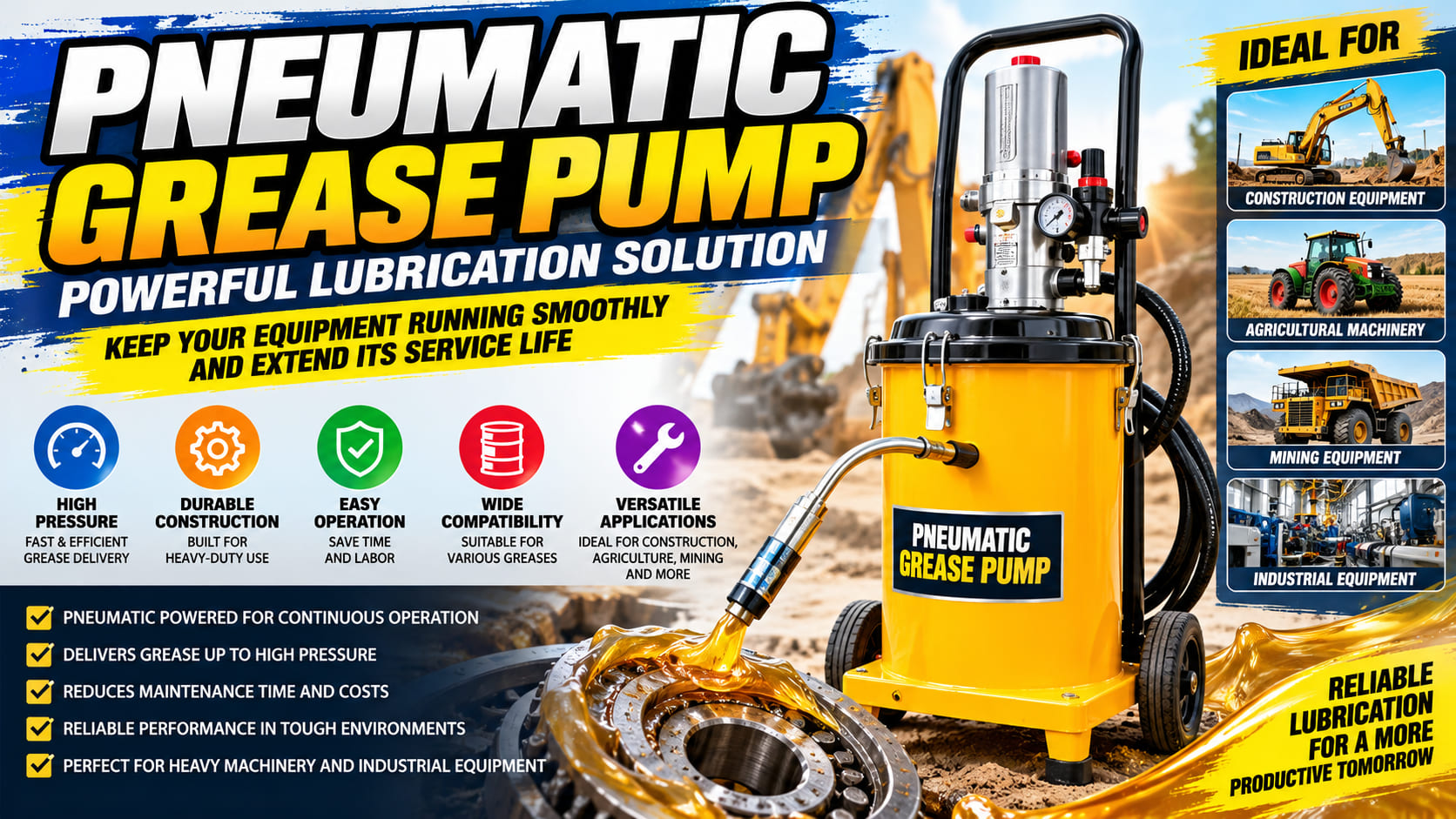
Why Do Pneumatic Grease Pump Repair Costs Vary?
Pneumatic grease pump repair costs depend on the pump configuration, replacement components, labor requirements, and severity of the problem. A simple air regulator adjustment is fundamentally different from replacing a damaged air motor or rebuilding an industrial high-pressure pumping assembly.
Factors That Influence Repair Expenses
- Pump brand, model, construction, and availability of replacement parts.
- Condition of the pneumatic motor, piston seals, and internal valves.
- Extent of grease contamination or damage to the lubricant delivery system.
- Labor required for diagnosis, disassembly, cleaning, testing, and reassembly.
- Whether genuine or manufacturer-approved replacement parts are required.
- Availability of local maintenance services and replacement components.
- Urgency of the repair and whether on-site service is necessary.
- Equipment age, previous repair history, and expected remaining service life.
Before approving a repair, request an itemized estimate describing the suspected fault, required parts, labor, and testing procedure. For older equipment, comparing the repair estimate with the cost of a suitable replacement pump may help determine the most economical long-term option.
When evaluating a replacement, important specifications include the air inlet pressure range, pump pressure ratio, maximum fluid working pressure, lubricant compatibility, delivery rate, drum size, hose configuration, and intended duty cycle. A higher-pressure model is not automatically better; every component in the lubrication system must be rated for the resulting pressure.
When Should You Contact a Professional Pneumatic Grease Pump Technician?
Basic visual inspections can identify many pneumatic grease pump issues, but certain symptoms indicate that professional servicing is necessary. High-pressure lubrication equipment presents mechanical and injection hazards, so internal repairs and pressure-system interventions must be performed by appropriately trained personnel.
- The pneumatic grease pump does not operate even though the compressed air supply is within its specified range.
- Grease pressure repeatedly drops despite apparently normal external operating conditions.
- The pump produces unusually loud mechanical noises, severe vibration, or repeated stalling.
- Grease leaks from the pump housing, damaged hoses, seals, or high-pressure connections.
- Compressed air continuously escapes from the motor exhaust while the pump fails to operate correctly.
- The pump cycles continuously after all dispensing outlets have been closed.
- The lubricant contains visible contamination, or internal components are suspected to be damaged.
- Repeated priming problems occur despite adequate grease supply and proper installation.
Important Safety Warning
Never place fingers or hands near a suspected high-pressure grease leak. Pressurized lubricant can penetrate the skin and cause serious tissue damage. If an injection injury is suspected, seek emergency medical care immediately, even if the wound appears minor. Before servicing or disconnecting equipment, shut off the air supply and follow the manufacturer's pressure relief and lockout procedures.
Professional technicians can inspect the internal pumping mechanism, verify pressure performance, assess seal wear, and identify whether component replacement or complete rebuilding is justified. This approach can reduce repeat failures and help restore consistent lubrication performance.
6 Pneumatic Grease Pump Maintenance Precautions to Prevent Future Problems
1. Maintain a Clean and Reliable Compressed Air System
Compressed air quality affects pneumatic motor performance. Moisture, dirt, and other contaminants can interfere with internal air valves and accelerate component wear. Inspect air filters, water separators, and regulators at intervals appropriate for the equipment and operating environment. Use air-line lubrication only when the pump manufacturer recommends it.
2. Use the Correct Grease Grade
Select grease according to the equipment lubrication requirements and the pump's operating specifications. Different grease formulations may behave differently under pressure and temperature changes. Confirm the approved NLGI grade, material compatibility, and temperature range before introducing a new lubricant into the system.
3. Keep Grease Containers and Suction Components Clean
Dust, metal particles, packaging debris, and moisture can enter the grease supply during container replacement or maintenance. Contamination may obstruct valves and damage pumping components. Keep container openings protected and use suitable cleaning procedures before installing suction tubes or follower plates.
4. Inspect Hoses and Fittings Regularly
Grease hoses are exposed to pressure, mechanical movement, and industrial working conditions. Inspect them for visible wear, kinks, abrasions, damaged protective coverings, and leakage. Replace defective components with hoses and fittings that meet the pump manufacturer's pressure and compatibility requirements.
5. Avoid Running the Pump Without Grease
Operating a grease pump after its lubricant supply is depleted may result in loss of prime, excessive cycling, and unnecessary wear. Monitor grease levels during use and replace containers before the suction inlet becomes exposed. Automated lubrication installations may benefit from appropriate low-level monitoring systems.
6. Follow a Scheduled Preventive Maintenance Program
Preventive maintenance reduces the likelihood of unexpected pump failures. Establish inspection intervals based on operating hours, lubrication demand, environmental conditions, and manufacturer recommendations. Maintenance records should include air pressure observations, grease consumption, leakage reports, component replacements, and abnormal operating symptoms.
A consistent maintenance program makes it easier to recognize gradual performance changes. For industrial applications where lubrication failure could affect critical production equipment, incorporating pump inspections into the wider machinery maintenance schedule is particularly valuable.
Pneumatic Grease Pump Frequently Asked Questions
Q1: Why is my pneumatic grease pump not working?
Common causes include insufficient compressed air pressure, an empty grease reservoir, trapped air, blocked grease lines, or worn internal components. Start by checking the air supply, grease level, and visible external connections.
Q2: What air pressure does a pneumatic grease pump require?
Required air pressure depends on the pump model, pressure ratio, and operating conditions. Always follow the manufacturer's specified inlet pressure range and never exceed the maximum rated pressure.
Q3: Why does my grease pump run but deliver no grease?
The grease supply may be depleted, the suction inlet may be exposed to air, or the pump may have lost its prime. Blocked delivery passages and internal valve problems can also prevent grease output.
Q4: How can I identify an air lock in a pneumatic grease pump?
An air lock may cause rapid cycling, intermittent grease delivery, or difficulty building pressure. Check the grease supply and follow the manufacturer's approved priming and air bleeding procedure.
Q5: Can I use any type of grease in an air operated grease pump?
No. Grease consistency, formulation, and temperature compatibility must match the pump specifications and the equipment lubrication requirements. Using incompatible grease may cause poor delivery or component damage.
Q6: Why does my pneumatic grease pump keep cycling?
Continuous cycling may indicate grease leakage, loss of prime, an empty lubricant container, or worn internal valves. If the pump continues cycling with all dispensing outlets closed, professional inspection is recommended.
Q7: How often should a pneumatic grease pump be maintained?
Maintenance frequency depends on operating hours, environmental conditions, and manufacturer recommendations. Regular inspections should cover the air supply, grease level, hoses, fittings, leaks, and abnormal operating behavior.
Q8: What is the difference between a 50:1 and a 100:1 pneumatic grease pump?
The pressure ratio describes the approximate relationship between inlet air pressure and theoretical grease outlet pressure. A 100:1 pump can generate a higher theoretical outlet pressure than a 50:1 pump at the same air pressure, but actual performance depends on the pump design and operating conditions.
Q9: Is it better to repair or replace a pneumatic grease pump?
The decision depends on repair costs, equipment age, replacement part availability, and overall pump condition. Minor component failures may justify repair, while extensive internal damage may make replacement more economical.
Q10: When should I stop using a malfunctioning pneumatic grease pump?
Stop using the pump if it develops significant pressure loss, abnormal mechanical noises, high-pressure grease leakage, damaged hoses, or repeated operational failures. Isolate the equipment and arrange professional inspection before restarting.
